
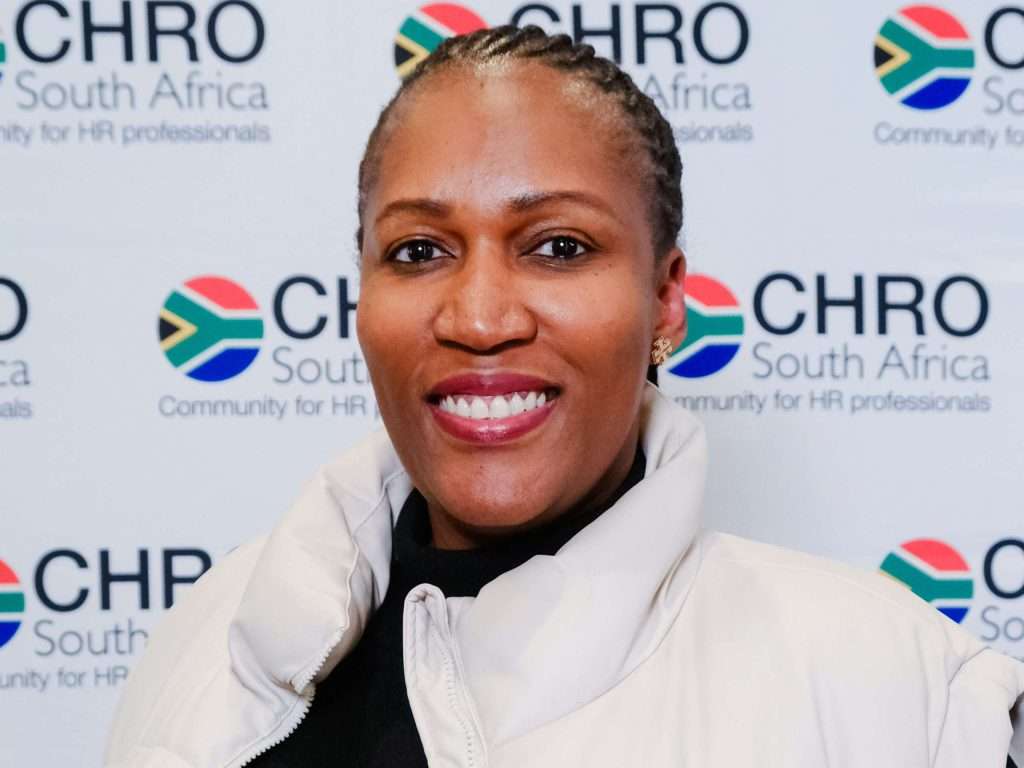
Vodacom South Africa’s executive HR director, Njabulo Mashigo explains how the organisation has rewritten the script on workplace inclusion in South Africa by becoming the first organisation in the country to formally embed South African Sign Language (SASL) into the workplace.
Speaking to CHRO South Africa, she shares how this groundbreaking initiative, developed in partnership with the National Institute for the Deaf (NID), is a cultural shift that sets a new standard for disability inclusion and ensures deaf employees can communicate and contribute in the language that reflects their identity, and challenges CHROs and organisations across all industries and sectors to follow suit.
Q: From an HR perspective, what prompted Vodacom to take the step of embedding SASL in the workplace?
This initiative was prompted by data-driven insights and a commitment to equity. When we analysed our disclosure data, we discovered that a significant percentage of employees reported hearing loss. This insight raised an important question: How do we ensure language equity so that every employee can communicate in the language they know best?
We realised that communication barriers were impacting daily collaboration and inclusion. To address this, we engaged employees who disclosed hearing loss to share their lived experiences. Their feedback highlighted the need for systemic change, not just reasonable accommodations or adjustments, but a cultural shift towards accessibility.
SASL is not only a language; it is now recognised as a business language at Vodacom. This means employees who use SASL can bring their full selves to work without compromise. The initiative was co-created with our disability employee resource group (#UnlimitedPeople) and in partnership with the National Institute for the Deaf, ensuring authenticity and relevance.
Q: What organisational challenges or gaps did HR identify that made SASL inclusion a strategic priority?
One of the biggest gaps was language equity – the ability for employees to communicate effectively in the language they know best. While we had accessibility measures in place, they were not enough to create a truly inclusive experience for deaf employees. We also recognised that inclusion is not just about physical accessibility; it’s about communication access. Without it, employees cannot fully participate in meetings, collaboration, or social engagement. This initiative addresses those gaps by embedding SASL into our systems, processes and culture.
Q: What role does language accessibility play in attracting and retaining diverse talent in 2026 and beyond?
Language accessibility is a cornerstone of our 2030 people strategy. It gives Vodacom a competitive advantage in attracting and retaining diverse talent because it signals that we are serious about inclusion not as a slogan, but as a lived experience. By embedding SASL, we are creating a workplace where deaf professionals and allies know they belong. This initiative also extends to our customers: employees who understand SASL can show up for customers within the deaf community, strengthening trust and loyalty.
Q: What practical starting points would you recommend for CHROs who want to embed linguistic inclusion but have limited resources or organisational readiness?
We believe this initiative will set a new benchmark for inclusion. SASL integration demonstrates that accessibility is not optional, but it’s a strategic imperative. It sends a powerful message to the deaf community: You belong here.
Corporate South Africa has an opportunity to move beyond compliance and embrace co-creation with communities. Our partnership with NID and our disability employee network shows that authentic inclusion requires collaboration, not assumptions.
Q: How do you see this initiative influencing the future of workplace inclusion across corporate South Africa?
We have made significant adjustments to embed SASL into employee experience. This includes enabling accessibility features across platforms, such as introducing a Sign Language font in Microsoft Office. This allows employees to use SASL not only in conversation but also in written communication, recognising SASL as a primary language for some employees and now a business language for Vodacom.
We also integrated an SASL dictionary into the employee engage app, making learning practical and accessible. These changes ensure SASL is not a one-off initiative but part of our digital ecosystem.
We invite other organisations to collaborate with the community to co-create initiatives that enable belonging across the workplace. Join us in creating inclusive environments where every voice, signed or spoken, is heard.