
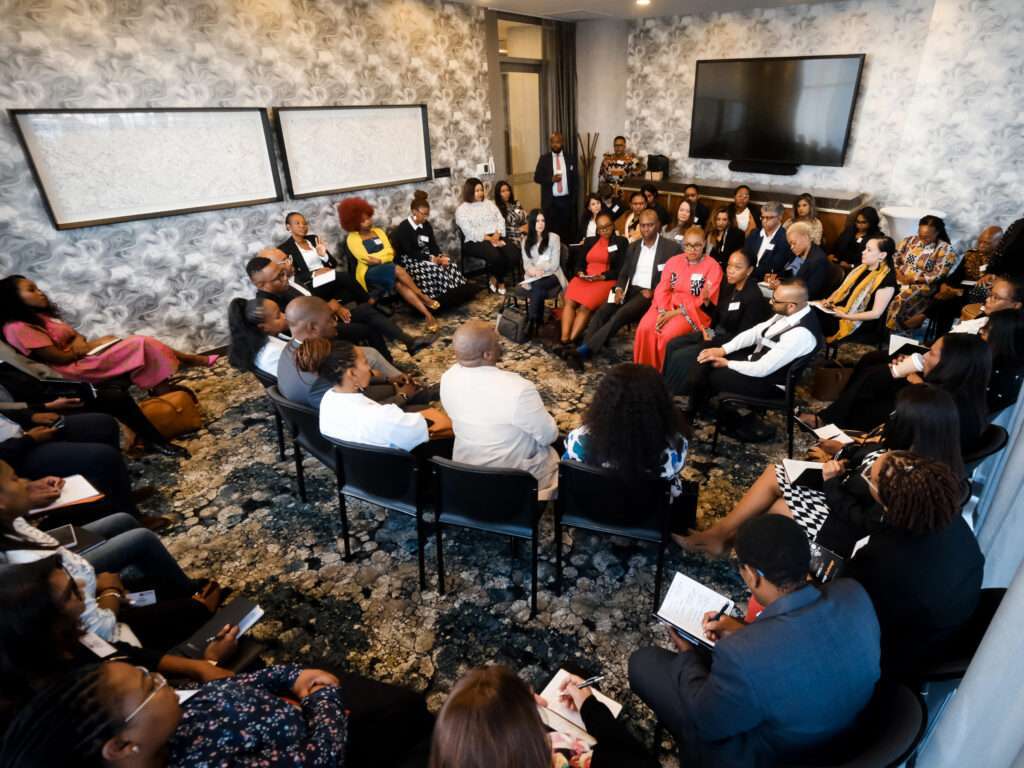
Attendees at CHRO Day heard that despite mental health stigma, small changes can make a big difference.
Titled “Engaging with a mentally, physically, and financially unwell workforce”, the group discussion at CHRO Day kicked off with Keletjo Chiloane, career consulting senior associate at Mercer Africa, highlighting a recent global talent risk report. The report contained some startling findings: almost half of all workers are worried about their short-term personal finances, Gen Z is more likely to struggle with mental health issues, and a staggering 80 percent of the global workforce says they feel they’re at risk of burnout this year.

According to Keletjo, several factors are driving this, including macro elements like geopolitics and supply-chain issues that pressurise businesses’ decision-making and negatively impact employees. But it comes down to an underlying anxiety affecting almost all workers in every type of organisation – and something needs to be done.
“During Covid-19, a lot of investment went into employee wellbeing,” said Keletjo. “However, reports like the one Mercer commissioned tell us we’ve taken the foot off the pedal – but the conversation is ongoing. Companies must continue to invest in wellbeing and understand the importance of a holistic, healthy workforce to give their best.”
Beyond EAP
Kutlwano Rawana, group HR executive at Rectron, added to this by saying that a healthy workforce begins at the top, along with reframing how EAP tools are used.
“Post-Covid-19, we’ve seen an increase in misconduct like dishonesty and absconding; as HR, we must keep the business aware of risks associated with not having a culture that supports wellbeing,” said Kutlwano.
“We’ve also noticed that pre-Covid, many salespeople were shooting the lights out, but now they’re in financial distress; post-Covid employees must support more people, the economy is struggling, and there’s high pressure on teams to perform. Sure, we can pay for an EAP solution, but it needs to be targeted at personal finance management, because financial stress cascades into other issues, even suicide. It all starts with leaders acknowledging the person over the employee and creating a culture, so employees know it’s safe.”
“We’re in a mental health pandemic”
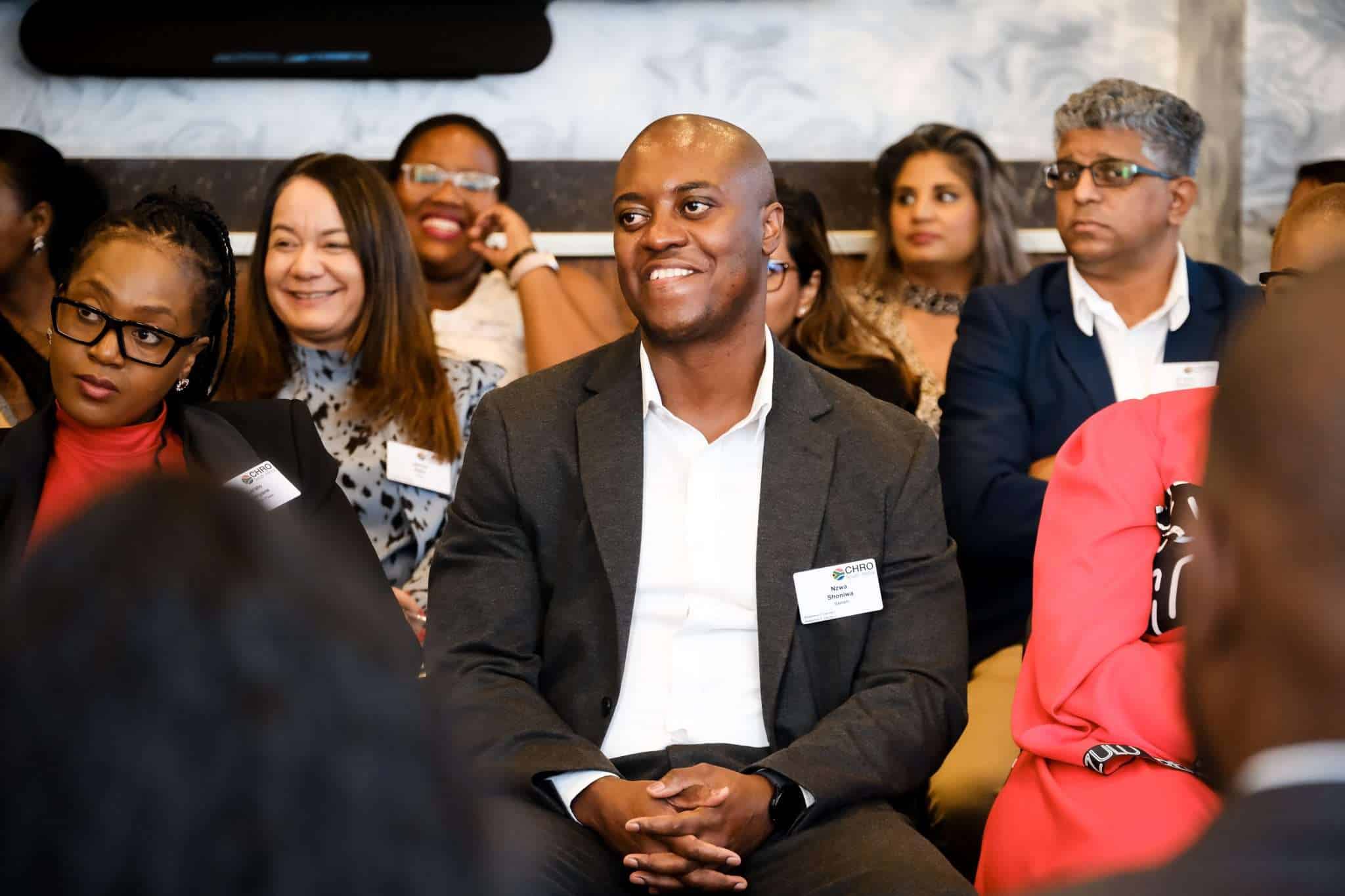
Nzwa Shoniwa, managing executive at Sanlam Umbrella Solutions, said that his organisation has seen an increase from 11 percent to 16 percent in mental health claims from 2020 to 2023, and it’s beyond clear that Covid-19’s lasting impact has resulted in people struggling mentally across the board.
“We’re in a mental health pandemic at the moment; the numbers don’t lie,” said Nzwa. He pointed out that if one digs deeper into the claims data, it’s a result of anxiety, depression and financial stress (or a combination of all three). He added there’s still a stigma attached to seeking help for mental health, which is why organisations need to provide benefits that employees will actually use.
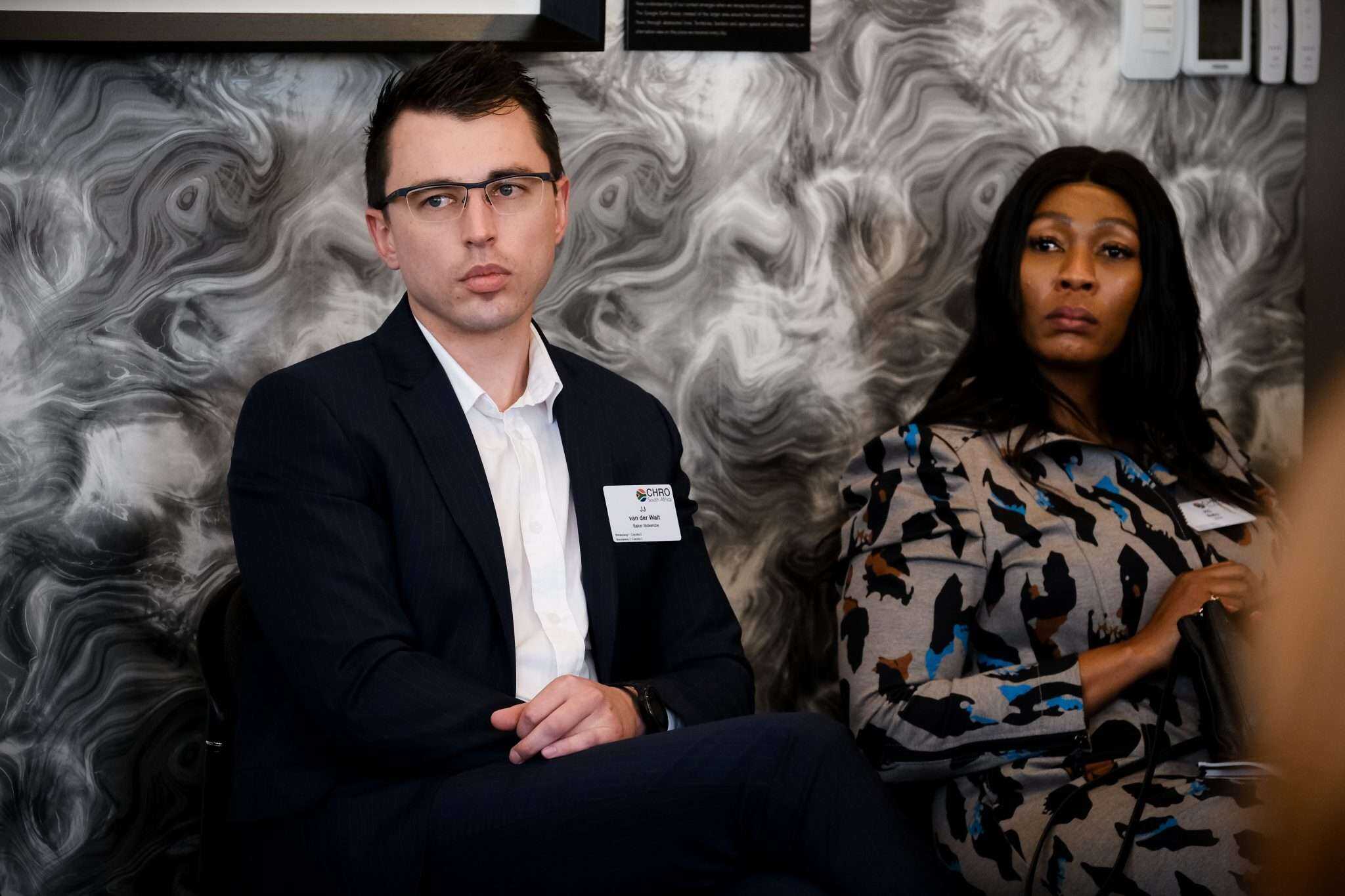
The discussion was opened to the floor, and one participant noted that most companies have EAP, but there’s a stigma attached to accessing it. Leaders don’t use it, and more training and education are needed.
“EAP is just a tool,” responded Kutlwano. “Remember, HR can customise EAP according to specific issues. We must drive initiatives that promote an inclusive and caring culture. It’s small things, like allowing employees to work from home if their child is sick.”
Small yet impactful changes
Another participant highlighted that businesses tend to deal with symptoms and not the root causes of unwell employees, particularly with financial know-how (or the lack thereof).
“We need to break generational curses; you can have the best EAP, but if an employee can’t pay school fees it’s no use. As HR professionals, we must be conscious that we have people’s lives in our hands and focus on teaching employees skills like personal mastery
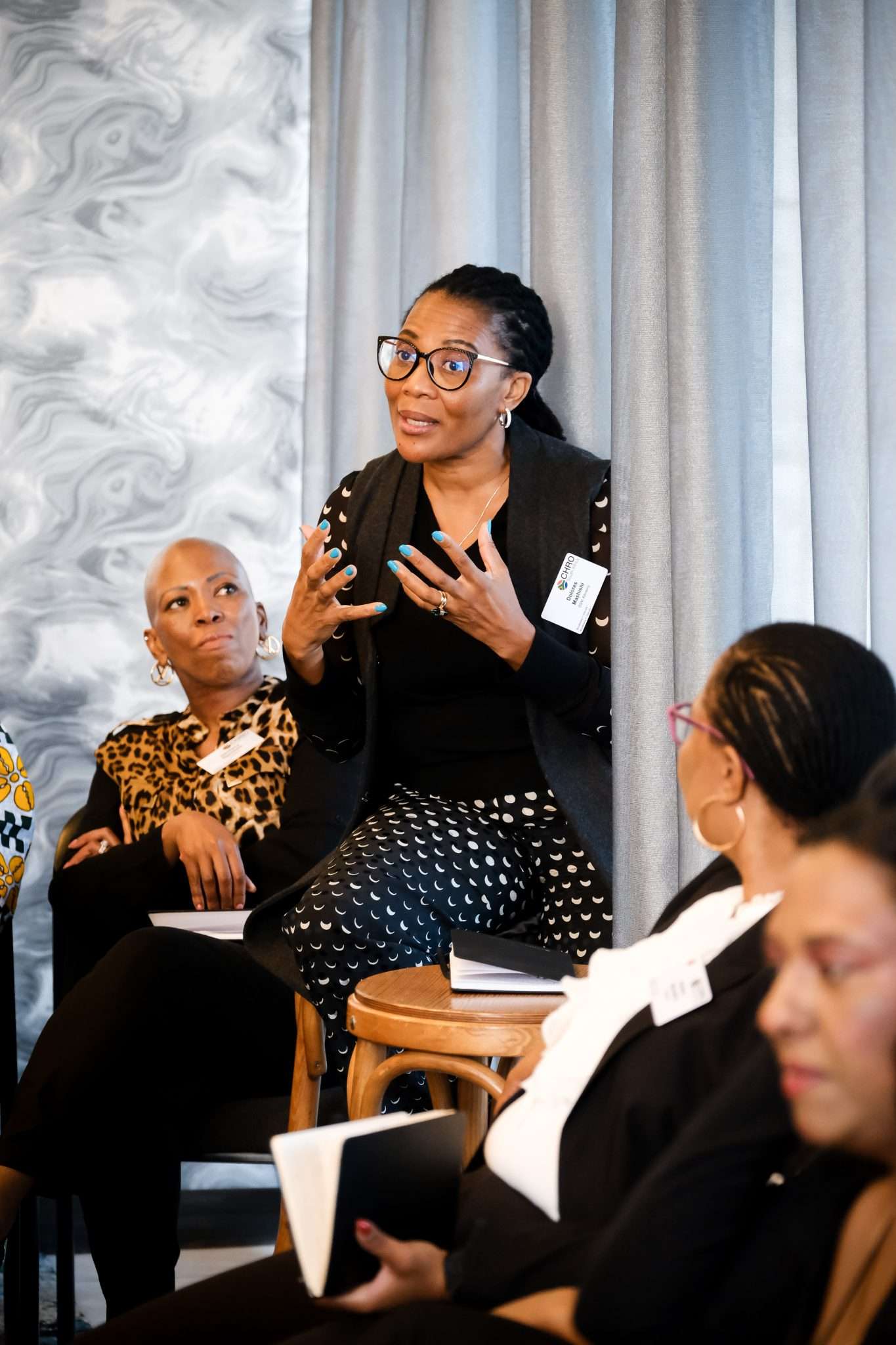
Several participants commented on how their organisations are introducing small yet impactful changes, like having a counsellor on-site in their own office three times a week (barista coffee included) so there’s someone to talk to and an element of exclusivity and not shame, allowing employees access to their salaries throughout the month (flexibility with conditions), and implementing reward models that matter (based on surveys and data to see what lies at the heart of employee concerns).
“There’s no one solution, and stigma remains; we found many leaders being open about their mental health struggles during the pandemic, but now that we’re back to ‘normal’, everyone’s closed up again,” said Kutlwano. “Let’s not lose track of the lessons we learnt,” she concluded.